Who Owns the Weed? The Fight Over Cannabis Genetics Is Getting Ugly
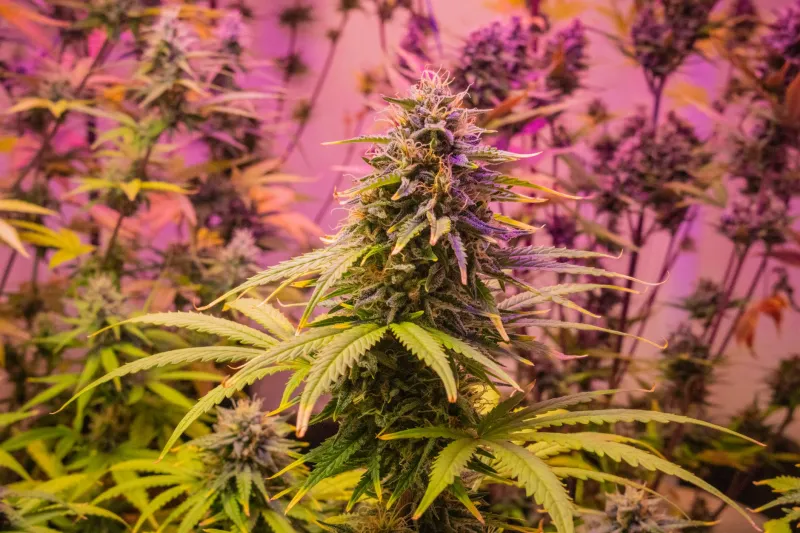
There's a quiet war happening in the cannabis industry, and it's not being fought in courtrooms or city council chambers. It's happening in grow rooms, seed banks, and back-channel breeder forums where independent cultivators are trading clones, sharing genetics, and building something that looks a lot like a resistance movement.
On one side: well-capitalized multistate operators and a small circle of elite breeders who've spent years — and serious money — developing proprietary cannabis strains. On the other: independent growers who argue that locking down the genetics of a plant that's been cultivated communally for decades is not just bad business, it's bad for the entire industry.
The stakes are higher than most people realize.
The Lock-Down Is Real
Over the past few years, major cannabis companies have gotten aggressive about protecting their genetic intellectual property. Some of the most sought-after cultivars on the market — think high-THC powerhouses or terpene-rich strains that move product — are now tied up in licensing agreements that dictate exactly how, where, and by whom they can be grown.
The mechanics vary. Some operations require cultivators to pay upfront licensing fees just to access a cutting or seed stock. Others operate on royalty models, taking a percentage of every harvest tied to their genetics. A few have gone full trade-secret, refusing to share parentage information at all and marketing strains under trademarked names that tell consumers nothing about what they're actually buying.
For large operators with resources to absorb those costs, it's annoying but manageable. For a small craft cultivator running a few hundred plants in a state-licensed microbusiness? It can be the difference between a viable business and a dead one.
"You're basically being told that the most marketable genetics are off-limits unless you pay to play," said one independent grower in Michigan who asked not to be named. "And if you can't afford the licensing, you're stuck trying to compete with strains that consumers don't recognize."
Reverse Engineering and the Gray Zone
Where there's demand and a locked door, someone will find a window. A growing number of small cultivators are doing exactly what you'd expect: reverse-engineering popular strains through phenotype hunting, back-crossing, and good old-fashioned trial and error.
It's legal in most cases. Breeding cannabis isn't the same as copying software. But it exists in a genuinely murky space. If a cultivator develops a strain that's close enough to a trademarked variety to cause "consumer confusion" — a real legal standard — they can face cease-and-desist letters or worse.
Several independent breeders in California and Colorado have already received legal threats from larger companies claiming their strains were too similar to proprietary cultivars. None of those cases went to full trial, but the message was clear: play in our sandbox, and we'll make it expensive for you.
The chilling effect is real. Some small breeders are quietly shelving work they've done for years rather than risk a legal fight they can't afford.
The Open-Source Movement Is Growing
Not everyone is backing down, though. A loose but increasingly organized coalition of breeders, cultivators, and cannabis advocates is pushing for something radical: open-source genetics.
The concept borrows directly from the open-source software world. Instead of locking down genetic information, participating breeders would share lineage data, seed stock, and cultivation knowledge freely — with the only condition being that anyone who builds on that work keeps it equally open.
Organizations like the Open Cannabis Project have been laying groundwork for this kind of framework for years, working to document and preserve cannabis genetics in ways that prevent any single company from claiming ownership over widely-used cultivars. The argument is straightforward: cannabis genetics are a shared cultural and agricultural heritage. No corporation should be able to monopolize them.
"This plant has been bred by communities around the world for centuries," said one advocate involved in open-source cannabis efforts. "The idea that a venture-backed company can swoop in, file some paperwork, and own a version of that plant is deeply wrong."
It's a compelling argument — and it's gaining traction in places that matter. Some state-level cannabis regulators are beginning to look at genetic disclosure requirements as part of broader seed-to-sale tracking systems. If cultivators are required to document and report the genetics of what they're growing, the argument goes, it becomes much harder to hide proprietary information behind trade-secret walls.
What's Actually at Stake
This isn't just a philosophical debate about fairness. The control of cannabis genetics has direct implications for consumers, for market competition, and for the long-term health of the legal industry.
When a handful of players control the most desirable genetics, they control the supply chain in ways that go beyond simple market share. Dispensaries feel pressure to stock the strains consumers recognize, which means stocking the licensed products from major operators. That squeezes shelf space for independent cultivators who can't offer the same name-brand genetics. It's a feedback loop that concentrates power fast.
There's also a biodiversity argument worth taking seriously. Cannabis has an extraordinarily rich genetic history — thousands of distinct landraces developed across Central Asia, Africa, and the Americas over millennia. As the legal market consolidates around a narrow band of high-THC, commercially optimized strains, there's a real risk that genetic diversity gets lost. And in agriculture, that kind of monoculture thinking has historically ended badly.
Small breeders who are out here doing phenotype preservation work — hunting for rare expressions, maintaining heirloom genetics, crossing traditional landraces with modern cultivars — are performing a genuine service for the industry. Locking them out through aggressive IP enforcement doesn't just hurt them. It makes the whole ecosystem more fragile.
The Path Forward
There's no clean resolution here. Intellectual property law isn't going away, and companies that have invested real resources in developing novel genetics have legitimate interests worth protecting. The question is where the line gets drawn.
Some in the industry are calling for a cannabis-specific licensing framework — something like the plant variety protection system used in traditional agriculture — that would give breeders time-limited protection for genuinely novel cultivars without allowing perpetual monopolization of widely-used genetics. Others want regulatory bodies to step in and mandate genetic transparency as a condition of licensure.
What's clear is that the current situation, where legal ambiguity and economic pressure combine to lock small growers out of the most competitive market segments, isn't sustainable. The legal cannabis industry has always sold itself as a more equitable alternative to the illicit market. Letting a genetics arms race hollow out that promise would be a significant self-own.
The breeders trading cuts in parking lots and the advocates building open-source seed banks aren't just being idealistic. They're trying to make sure that the plant that built this industry doesn't end up owned by the people who showed up last with the most money.
That fight is worth paying attention to.