Stop, Stay, Spend: How the Best Dispensaries Are Turning Retail Space Into a Destination
Walk into the average dispensary in America and you'll get the same experience roughly everywhere: a sterile waiting area, a laminated menu on a TV screen, a budtender who's either too busy to chat or reciting the same three product recommendations they've given forty times today. You grab your eighth, swipe your card (or fumble for cash), and you're out in eight minutes.
Now walk into the right dispensary — and you'll know the difference immediately.
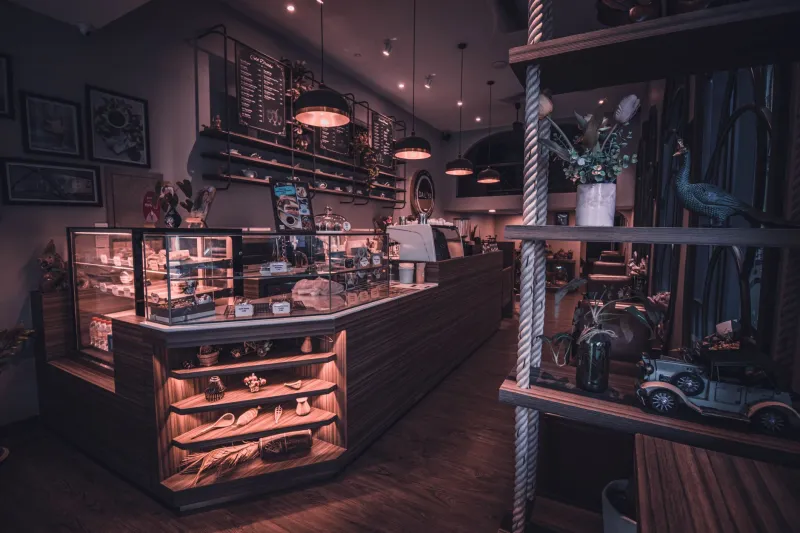
The lighting is warm and intentional. There's music that actually fits the vibe. The product display invites you to slow down and look. The layout pulls you through the store like a story. You end up spending twenty minutes you didn't plan on, and you leave with more than you came for — including a reason to come back.
That gap between those two experiences? That's where the next phase of cannabis retail competition is being fought.
Why Atmosphere Is No Longer Optional
For a long time, cannabis operators had an excuse for ignoring the experiential side of retail: survival took priority. Between licensing headaches, compliance costs, banking nightmares, and regulatory whiplash, there wasn't exactly a lot of bandwidth left over for interior design consultants.
But legal cannabis markets are maturing fast. In states like California, Colorado, Michigan, and Illinois, consumers now have real options — sometimes dozens of dispensaries within a reasonable drive. Product quality has become increasingly table-stakes. Pricing is competitive. And loyalty, as any operator who's tried a punch-card program knows, is fragile.
What's left to differentiate on? The experience.
"Customers can get flower anywhere," says one retail director at a multi-location operator in the Pacific Northwest. "What they can't get everywhere is a store that makes them feel something. That's where we compete now."
Retail psychology research — long applied in industries from luxury fashion to grocery chains — is finally finding its way into cannabis. And operators who are paying attention are seeing the results show up on their receipts.
The Design Details That Actually Move the Needle
Let's get specific, because "good vibes" is not a retail strategy.
Lighting is arguably the single most underestimated variable in dispensary design. Harsh fluorescent overheads signal urgency and discomfort — the same energy you get in a hospital waiting room. Operators who've shifted to warmer, layered lighting (think adjustable LEDs, accent fixtures over product displays, and natural light where possible) report that customers visibly slow down. They browse. They ask questions. Average transaction values tend to follow.
Layout flow matters just as much. The best dispensaries borrow from proven retail playbooks: place high-margin or new products along the natural path customers walk, create deliberate pauses in the journey (a featured display, a sensory station, a comfortable seating nook), and avoid the dead-end floor plans that make people feel trapped. The goal is a route that feels exploratory rather than transactional.
Sound design — an almost entirely ignored element in most dispensaries — is having a quiet moment of recognition among forward-thinking operators. Curated playlists that match the store's brand identity (not just a Spotify shuffle on someone's phone) help regulate customer mood and pacing. Studies in mainstream retail have shown that slower-tempo music correlates with longer dwell time and higher spend. Cannabis retail is no different.
Scent is trickier, given that most dispensaries are legally required to keep product sealed until purchase. But some operators are getting creative — using subtle ambient scents in waiting areas, or designing open-air consultation spaces that allow customers to smell flower samples in controlled settings where regulations permit.
The Consultation Culture Shift
Physical environment is only half the equation. The human element — specifically, how staff are trained to interact with customers — can make or break the experience regardless of how beautiful the store looks.
The dispensaries winning on experience have largely moved away from the transactional budtender model and toward something closer to a retail consultant or sommelier approach. Staff are trained not just on product knowledge, but on how to read a customer, ask the right questions, and guide someone toward what they actually need rather than just what's on sale.
This shift requires investment. Higher wages, more thorough onboarding, ongoing education programs tied to new product arrivals. It's not cheap. But the operators who've made the commitment are seeing it pay off in repeat visit rates and average basket size.
One boutique operator in Chicago's Wicker Park neighborhood redesigned their entire consultation model around fifteen-minute one-on-one sessions for first-time customers — booked in advance, no line, no rush. Their Yelp reviews read like dispatches from a spa. Their retention numbers reportedly outperform the market average by a significant margin.
Flagship Thinking in a Fragmented Market
Not every operator has the capital to build a destination store from scratch. But the flagship mentality — the idea that at least one location should function as a brand showcase rather than just a sales floor — is gaining traction even among mid-sized operators.
Think of it the way Apple thinks about its retail stores: yes, you can buy a laptop online, but the store is a physical argument for the brand. It's where brand identity becomes tangible. It's where customers become fans.
Some cannabis operators are leaning into local identity to make that argument. A dispensary in Denver might double down on its Colorado roots with local art installations and regional product spotlights. A shop in Detroit might build its aesthetic around the city's music history. In Santa Cruz, one operator partnered with local surf culture brands to create a store that feels less like a pharmacy and more like a lifestyle outpost.
These choices aren't just aesthetic. They're strategic. They give customers a story to tell — and in an industry where word-of-mouth still drives a huge chunk of new customer acquisition, that story has real dollar value.
The ROI of Feeling Something
Here's the honest caveat: building an experiential retail environment costs money, and not every operator is in a position to spend it. Margins are tight across the industry. Taxes are brutal. Build-out costs are significant.
But the operators who've made the investment consistently report the same outcomes: longer average visit duration, higher average transaction values, stronger repeat visit rates, and more organic social sharing — which, in an industry still largely locked out of paid digital advertising, is essentially free marketing.
The math, for those who can access the capital, tends to work.
More importantly, as cannabis retail continues to consolidate and the distance between a neighborhood dispensary and a well-funded MSO flagship shrinks, the operators who've invested in experience will have something that's genuinely hard to replicate at scale: a place people actually want to be.
In a market where everyone's selling roughly the same product, the store that makes you feel something wins. It's really that simple — and that hard.